

In January 2012, the Wakatipu Cycle Club did something that small-town cycling clubs are not supposed to do. They hosted the Oceania Road Cycling Championships — an international event with national teams, UCI ranking points, and race courses that used the same roads the club had been training on for years. It was a volunteer-driven operation in a town better known for bungy jumping, and it worked.
How Queenstown Got the Race
A Club Bid, Not a Council Bid
The bid to host the 2012 Oceania Road Cycling Championships came from the Wakatipu Cycle Club, not from the Queenstown Lakes District Council or a tourism agency. A community cycling club with a volunteer committee, a modest bank balance, and enough collective stubbornness to believe they could bring an international race to a town of 15,000 people.
The club had form. Years of running local road races, time trials, and criteriums meant they understood course logistics, safety requirements, and the particular challenge of closing Queenstown roads without shutting down the town. The Oceania Cycling Confederation needed a New Zealand host. The Wakatipu Club had the terrain, the experience, and the willingness. What they lacked in budget they compensated for with people who knew every corner of every road in the district.
What Oceania Championships Actually Are
The Oceania Cycling Confederation runs continental championships across road, track, and mountain bike disciplines for nations in the Oceania region — primarily Australia, New Zealand, and Pacific Island nations including Fiji, Papua New Guinea, Samoa, and Tonga. The road championships include elite and under-23 categories for both men and women, with a road race, individual time trial, and criterium.
These are not local club events. National teams send their strongest riders. UCI ranking points are on the line. Australian domestic professionals and New Zealand national team riders race alongside developing riders from Pacific nations who may be competing on their first international course. The standard is genuine. The event carries weight in the regional cycling calendar, sitting below World Championships but above national-level racing.
The Course They Built
The course used the roads that Wakatipu cyclists already knew intimately from years of training rides and club events. The road race circuit took riders through the Queenstown Lakes District on terrain that punishes anything less than proper fitness — sustained climbs, technical descents, and the kind of crosswind sections that split a peloton without warning.
The time trial course ran along the lake and into the surrounding countryside, offering the flat-to-rolling profile that time triallists need while the mountain backdrop reminded everyone this was not a normal race venue. The criterium used a circuit in the Queenstown town centre, converting streets normally clogged with tourist foot traffic into a fast, technical loop that rewarded cornering skills and aggressive positioning.
The terrain did what Queenstown terrain always does — it made the racing honest. You could not hide in this landscape.
Race Week in a Small Town
International Riders on Local Roads
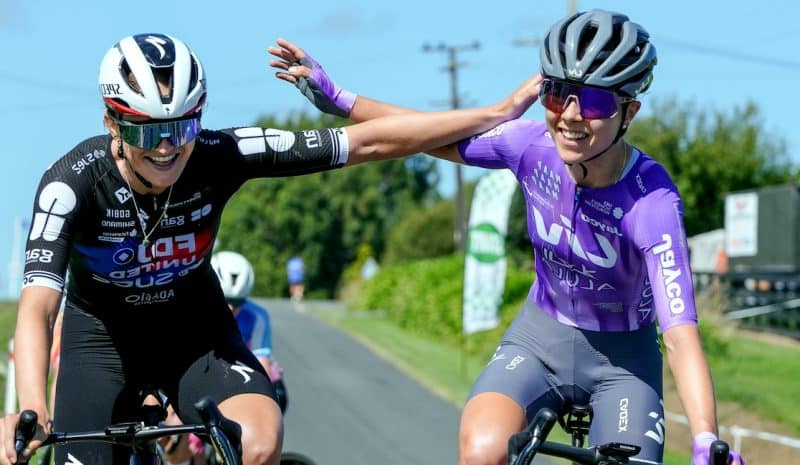
For a week in January 2012, Queenstown’s roads belonged to racing cyclists. National team cars followed pelotons past the Shotover Jet base. Marshalls in high-vis vests stood on corners where tourists usually stopped for photographs. Road closures confused campervan drivers who had not expected their holiday route to become a race course.
The contrast was part of the charm. Elite riders from Australia and New Zealand, some of whom would go on to race professionally in Europe, were hammering through a town that most of the world associates with bungy jumping and skiing. Pacific Island riders, some competing internationally for the first time, were racing on roads with views that nobody in the peloton had time to appreciate. The scale of the event and the scale of the town were mismatched in a way that only made both more interesting.
What the Club Pulled Off
Running an international cycling event with volunteer labour is an exercise in organised optimism. The Wakatipu Cycle Club supplied course marshalls, timing officials, vehicle drivers, registration staff, and enough people to manage road closures across multiple courses on multiple days. Partners and friends of club members were recruited. Local businesses provided support.
The technical requirements alone were substantial. Electronic timing systems for the time trial. Radio communications between marshalls, commissaires, and race control. Lead and follow vehicles for each race. Medical staff positioned at key points. Feed zones stocked and staffed. Results processing and podium ceremonies. All of this coordinated by people whose day jobs had nothing to do with event management.
It worked because the club had spent years building the competence through smaller events. Each local road race was a rehearsal for something bigger. By the time the Oceania Championships arrived, the logistics were second nature — just at a scale nobody had attempted before.
The Racing Itself
The road race was the centrepiece. A course that used the district’s natural terrain to create a race of attrition — climbs that broke the bunch, descents that rewarded technical skill, and a finish that demanded whatever was left. Australian and New Zealand riders dominated the elite categories, as expected, but the racing was competitive across the field.
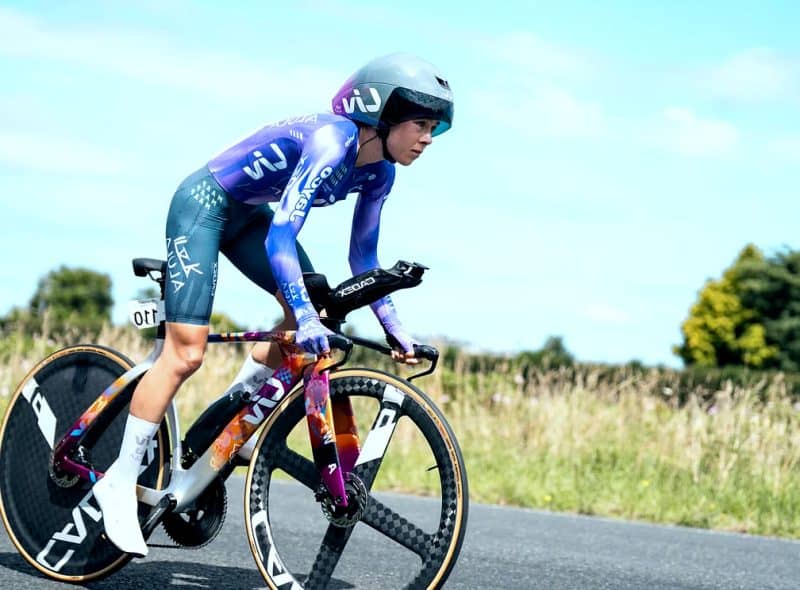
The time trial was a test of individual power against the clock, riders setting off at intervals along the lakeshore course. The criterium brought the racing into town — fast laps, tight corners, and the kind of close-quarters racing that gives spectators something to shout about.
The specific results matter less now than what the event represented. This was international-standard cycling in a New Zealand town that had earned the right to host it. The riders who stood on the podium have mostly moved on. The community that put them there is still here.
What It Left Behind
The Confidence to Think Bigger
Before the 2012 championships, Queenstown’s cycling identity was local. After them, the community knew it could operate at a higher level. That confidence did not stay on the road. The same people who marshalled corners and managed timing systems turned their attention to trail advocacy, bike park development, and the infrastructure that would make Queenstown a mountain biking destination.
The Queenstown Trail network, the expansion of Skyline Bike Park, the proliferation of shuttle services — none of these happened in isolation. They happened because a cycling community already existed, already knew how to organise, and already believed that bikes were worth investing in. The Oceania Championships did not cause the mountain biking boom. But they proved that Queenstown’s cycling community could think and act beyond its own backyard.
Road Roots in a Trail Town
Queenstown is marketed as a mountain biking destination now, and it deserves to be. But the trails sit on a foundation of road cycling that is older, quieter, and still present. The club members who brought an international road race to this town are some of the same people who advocated for purpose-built singletrack. The volunteer networks that ran the championships are the same networks that run trail maintenance days.
The heritage is continuous. The mountain biking scene did not arrive from outside and replace what was here. It grew from a cycling community that was already deep-rooted, already organised, and already in love with riding in this landscape. The 2012 Oceania Road Cycling Championships are part of that story — a moment when a small town’s cycling club proved it could do something bigger than anyone expected, and then kept going.
The podium photos have faded and the road closures are a distant memory for the tourists who were inconvenienced. But the confidence that came from pulling off an international event in a town of 15,000 people — that stayed. It is written into every trail that has been built since, every bike park that has opened, every piece of cycling infrastructure that exists because someone believed it was possible.