
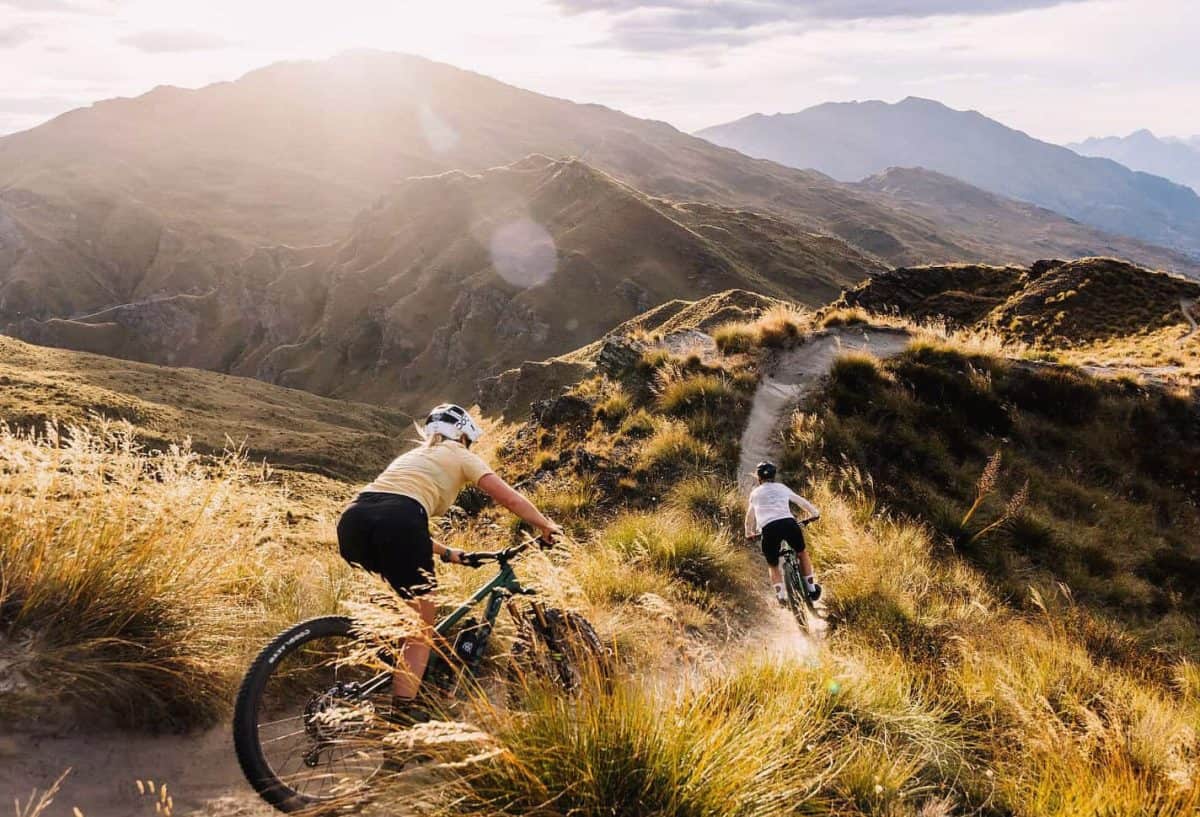
Wakatipu Cycling did not start on a mountain bike. It started on the road, with a club, a calendar of weekend races, and a culture of turning up. Long before Queenstown was a gravity destination, the same community was lining up for Saturday bunch rides and putting on championships. This is the story of how a road club became the backbone of a trail network — and why the heritage still shows through every time you ride here.
Where It Started: A Road Club in a Mountain Town
Founded in 1990, Skinny Tyres and All
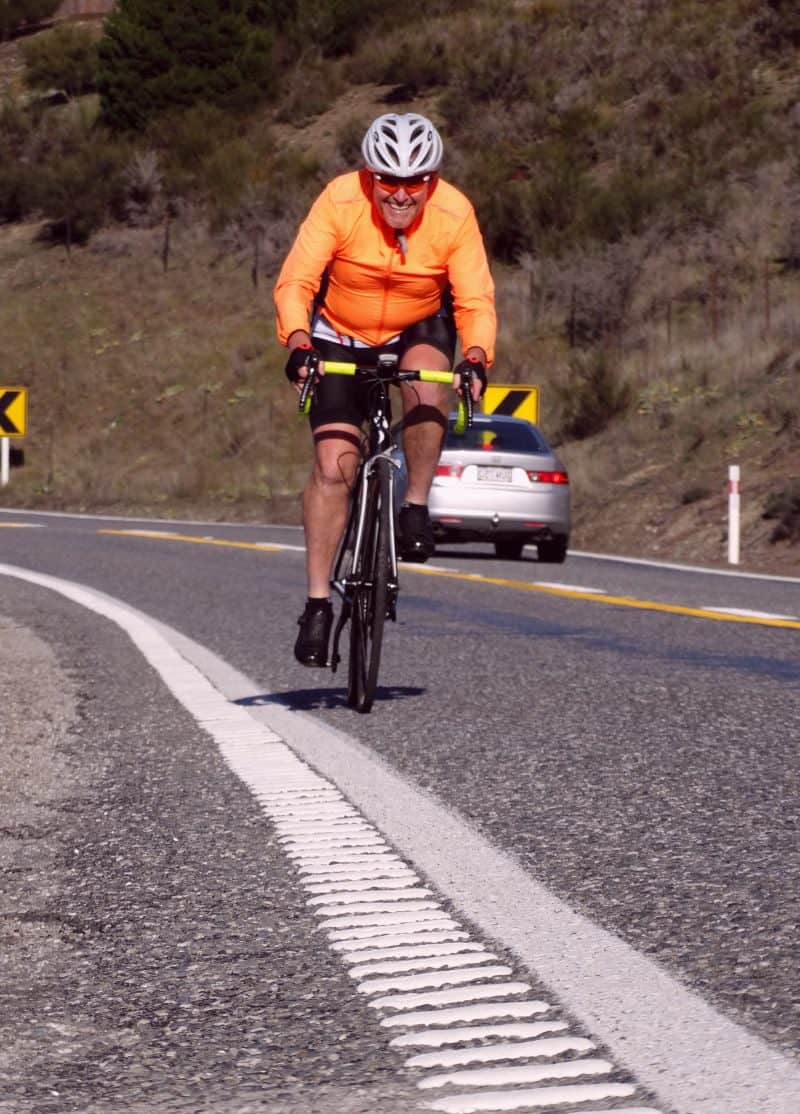
Before there was a trail network, there was a bunch ride. The club that became this website started life in 1990 as the Wakatipu Cycling Club, affiliated to Cycling Southland and built around exactly the kind of road racing that defined organised cycling in this part of the country — weekends on the tarmac, skinny tyres, and a calendar that ran from the start of daylight saving through to late April.
The race routes read like a love letter to the bottom of the South Island. Queenstown to Glenorchy along the lake. Hawea to Makarora and back, the road winding up and down at the foot of the mountains. These were not closed-circuit crits in a car park; they were point-to-point efforts through some of the best riding country anywhere, with the wind and the climbs sorting the field out as they always do.
The Best Little Cycling Club in New Zealand
The club punched above its weight from early on. In 2009 it was named “The Best Little Cycling Club in New Zealand” at the Cycling NZ Awards, which tells you something about the culture: competitive but friendly, catering for everyone from the weekend warrior turning up to give it a go through to genuinely fast riders. Club member John Alabaster took two time trial titles at the World Veteran Road Championships in St Johann, Austria — not bad for a small outfit in a town better known then for bungy than bikes.
The other half of the club was always the part that happened after the racing. Coffee and lunch at a local cafe, the post-mortem on why nobody won who said they would, the tall stories getting taller. The motto, “more fun in the sun,” was only half a joke. You only lost if you did not have fun, and most weekends nobody lost.
The High Point on the Road: the 2012 Oceania Championships
Queenstown’s International Stage
For a club that started with Saturday bunch rides, hosting the 2012 Oceania Road Cycling Championships was a genuine high-water mark. The roads around the Wakatipu became an international stage, with riders from across the region racing terrain that local club members had been training on for years. We have covered that event in detail elsewhere, so we will not re-run the whole thing here — but it belongs in any honest account of how cycling grew up around the lake.
What matters for this story is what it represented: a small, volunteer-run road club capable of putting on a championship. That organisational muscle — the marshalling, the course knowledge, the willingness to give up weekends for the sport — did not disappear when the racing finished. It just found a new place to go.
When the Club Grew Up and Out
In 2007 the club broadened its name to the Central Otago-Wakatipu Cycle Club, reflecting a membership that by then drew riders from Alexandra, Cromwell, and Wanaka as well as Queenstown. The road racing carried on — it still does, every weekend through the warmer months — but the geography of organised cycling in the wider district had stretched well beyond the basin.
Our beat here stays closer to home: the Wakatipu, Queenstown and its immediate trail country. But the club’s road-racing spine is the thing worth holding onto, because it explains a lot about why mountain biking took the shape it did when it arrived.
The Centre of Gravity Shifts to Dirt
As the Trails Exploded
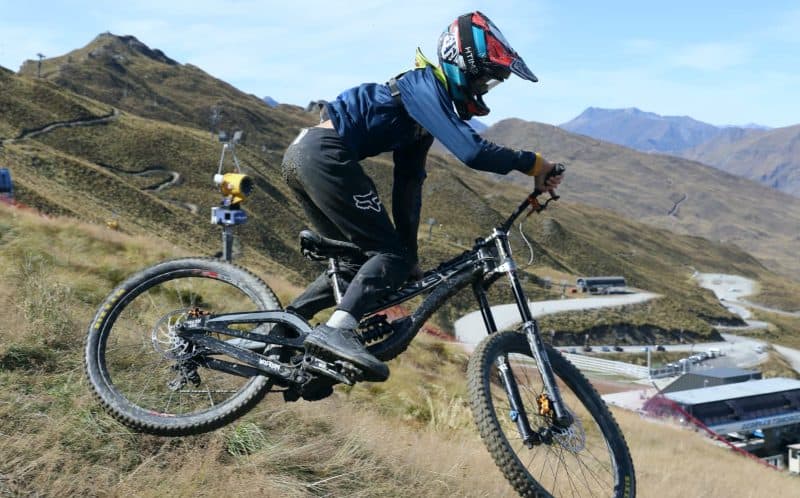
Through the 2000s and 2010s, Queenstown’s mountain biking went from a handful of backcountry tracks to a genuine network — Skyline above town, the gravity trails like Rude Rock, the Gorge Road jumps, and the lakeside Queenstown Trail threading the basin together. The cycling community’s centre of gravity shifted off the road and onto the dirt, and a lot of the people doing the shifting were the same faces who used to line up for the Saturday bunch.
The heritage shows through the way an old pair of road cleats turns up in a shed full of flat pedals. The fitness base, the comfort in a group, the habit of giving up a weekend for the sport — all of it transferred straight across. The bikes got fatter and the surfaces got looser, but the culture was already there.
Enter the Queenstown Mountain Bike Club
The organisation that picked up the trail-building mantle was the Queenstown Mountain Bike Club, formed in 2003 with the straightforward aim of developing the trails and the riding community. Its tagline — “fuelling the stoke since 2003” — undersells the graft involved. The Queenstown Mountain Bike Club exists to build, maintain, and be the voice of mountain biking across the Whakatipu Basin, and just about every trail you will ride here has had volunteer hands on it at some point.
This is the through-line. A road club proved that this community would organise, race, and volunteer for cycling. When the trails came, the same instincts built and maintained them. Different discipline, same DNA.
One Community, Two Disciplines
The Heritage Shows Through
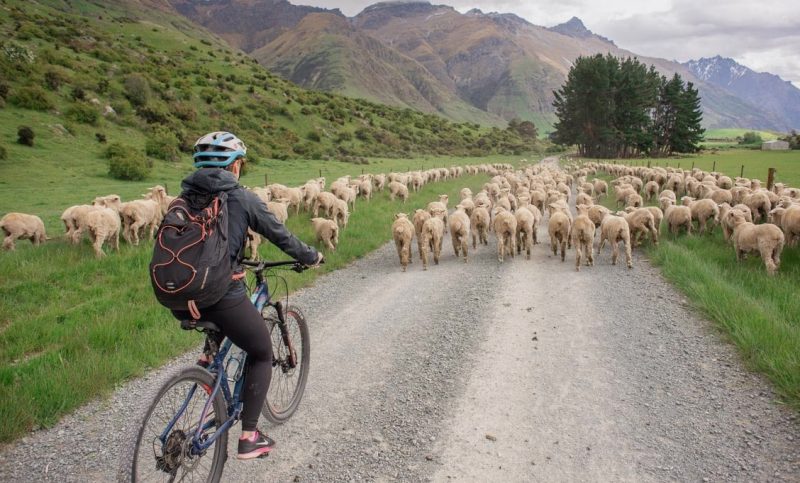
You can still see the road roots in how riding works around here. The bunch-ride discipline — holding a wheel, taking a turn, looking after the rider next to you — maps neatly onto the etiquette of a shuttle queue or a trail-building day. The fitness culture that produced world veteran titles is the same culture that now produces fast juniors coming through the school and club ranks on dirt.
None of this is nostalgia for its own sake. It is the reason the Wakatipu has the trail network it does. Networks like this do not appear because a council funds them; they appear because a community that already knew how to organise around bikes decided to point that energy at the hills.
Where It Goes From Here
The job is never finished. Trails need maintaining, new lines get scouted and dug, and the volunteer base that built all this needs the next generation to keep turning up — to dig days as much as to race days. If you ride here often enough, the natural next step is to put something back, whether that is a club membership, a trail-building morning, or just leaving a gate as you found it.
From skinny-tyred Saturday bunches in 1990 to a basin laced with singletrack, it is one continuous story about the same thing: people who love riding bikes, organising so that everyone else gets to ride them too. The cleats are in the shed. The stoke is still on.
From a 1990 road club to a basin laced with singletrack, it is one continuous community doing one consistent thing: organising around bikes so that everyone gets to ride. The disciplines changed and the tyres got wider, but the instinct to race, build, and volunteer carried straight across. Next time you drop into a trail that a volunteer dug, you are riding on more than three decades of that. The cleats are in the shed somewhere. The stoke is still on.