
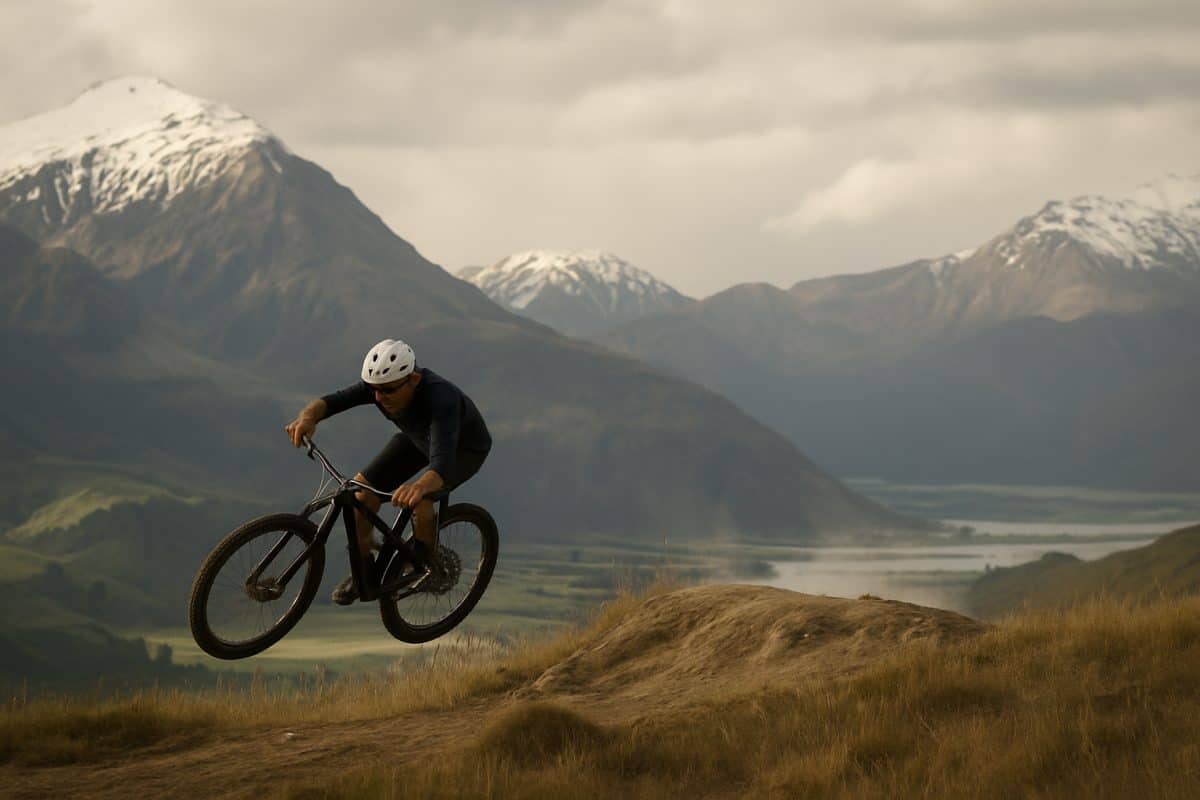
Spring in the Wakatipu is the season of broken promises. The valley greens up, the days stretch out, and the trails are a mess, mostly. Snowmelt off the Remarkables and Coronet feeds water into ground that has been frozen or sodden for months, and for a few weeks the dirt cannot decide whether it is a riding surface or modelling clay. But spring also hands you the first proper dry laps of the season — if you know where to look. Here is how we find them, and how to ride through the melt without trashing the trails everyone wants back.
The Season of Broken Promises
What the Melt Does to the Dirt
Spring riding in the Wakatipu is governed by one thing: water moving downhill. As the snowpack on the tops lets go, that meltwater does not politely evaporate — it soaks into the trails, and the ground that holds it stays greasy long after a sunny forecast says it should be dry. The valley floor warms first, but the dirt underneath can stay cold and saturated well into October.
The result is the classic spring trap: blue sky overhead, hero dirt in the car park, and a bog forty metres into the trees. The forecast lies to you in spring more than in any other season, because it only tells you about the air, not the ground. Learning to read the gap between the two is most of the game.
The Friday Afternoon Conditions Check
The single most useful spring habit is checking trail status before you commit, not after you have driven to the trailhead. The Queenstown Mountain Bike Club keeps an eye on what is open and what is closed for repair or wet-weather protection, and a two-minute look can save you a wasted afternoon and a ruined trail.
We have all done the optimistic Friday check, decided the rain would clear, and ridden something we should have left alone. Spring is the season to be honest with yourself about that. If a trail is flagged as closed or recovering, it is closed — not a suggestion.
Where the Dirt Dries First
North-Facing and Low
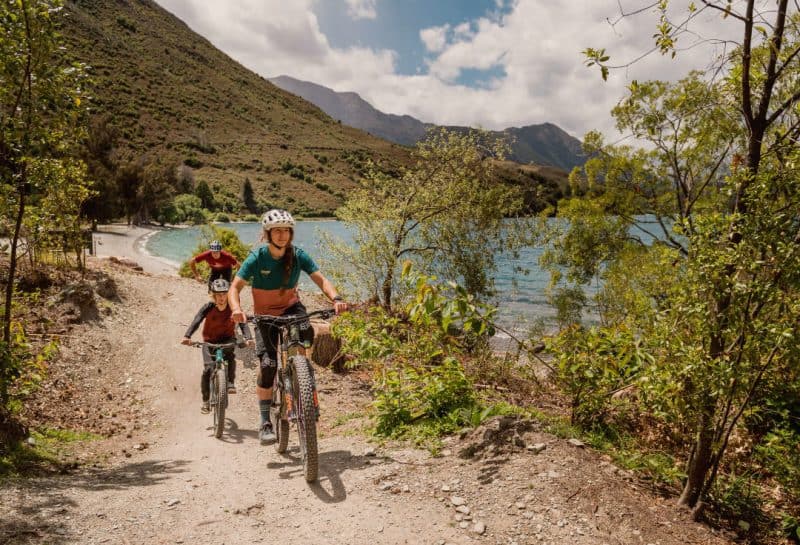
When everything is damp, aspect is everything. North-facing slopes catch the spring sun for the longest part of the day and dry hours ahead of their shaded neighbours. The lower trails around Frankton, Kelvin Heights and the Queenstown Trail network sit in the warmest, lowest air and shed water fastest, which is why they are the obvious spring default while the higher ground sorts itself out.
South-facing pinches and anything tucked under bush stay cold and slick. That lovely shaded loam that rides like velvet in February becomes a skating rink in September, and no amount of optimism changes it.
Schist Drains, Clay Holds
The other half of the equation is what the trail is built on. Free-draining schist drains fast — the same sharp, rocky ground that eats your tyres in summer is your friend in spring, because water runs straight through it. Trails cut into clay or fine loam hold moisture far longer and rut deeply when ridden wet.
As a rule of thumb, the rockier and coarser the surface, the sooner it comes good. If you know a trail is mostly rock and gravel, it is a fair spring bet. If you remember it as tacky dark dirt, give it another week of sun.
When the High Stuff Opens
Reading the Snowline
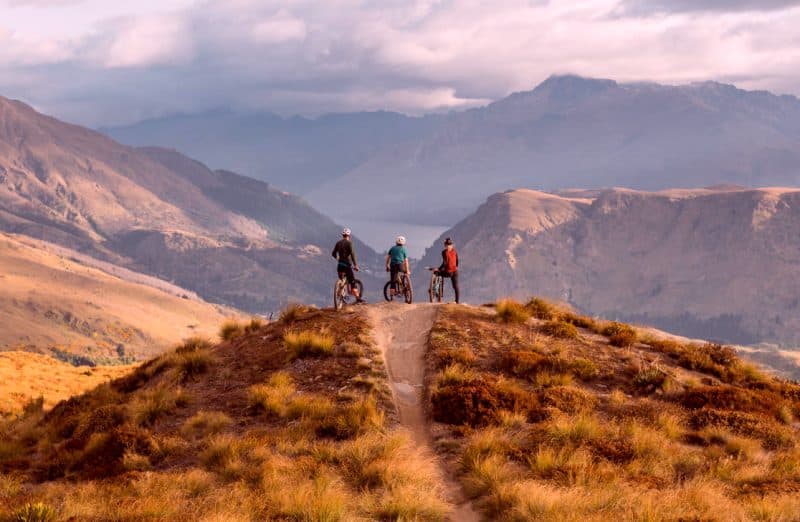
The alpine trails — the big descents and the higher backcountry — run on their own calendar, and that calendar is written by the snowline. As it retreats up the faces through spring, it uncovers ground that stays soaked from the melt for a week or two before it firms up.
Watching the snowline creep up the Remarkables and Coronet from town is a decent proxy for what is rideable up high. When the lower third of a face has been bare and sunny for a fortnight, the trails on it are usually close to ready.
Coronet, the Shadow, and Patience
Coronet in particular keeps you waiting. Its higher trails catch late snow, and the morning shadow off the surrounding tops keeps the upper sections frosty long after the valley is in shorts. Spring is not the season to force the alpine stuff — push it too early and you punch ruts into half-frozen trail that stay there until summer.
The reward for patience is real, though. When the high trails finally come good in late spring, they are fresh, fast, and almost empty, while everyone else is still doing valley laps.
Riding Through It Without Wrecking It
The Footprint Test
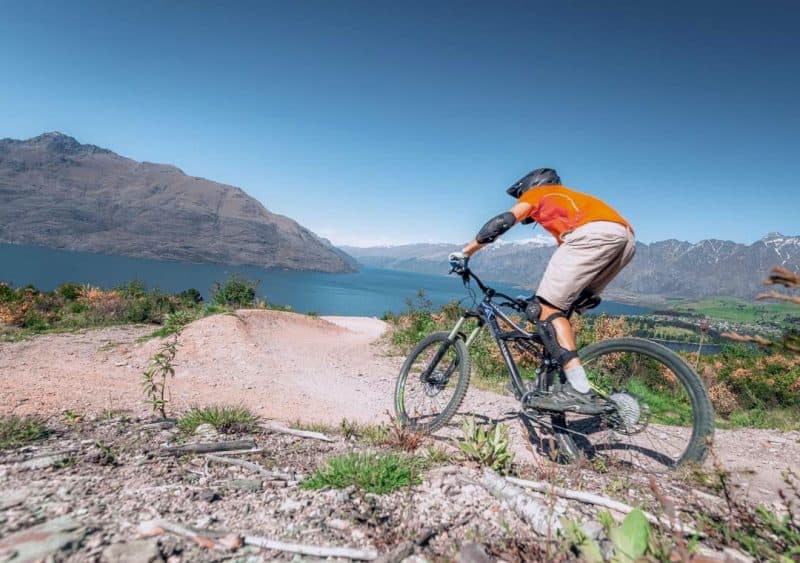
There is a simple test for whether a trail is too wet to ride: look at what you leave behind. If your tyre is cutting a rut, sticking, or peeling a strip of wet dirt off the surface, you are doing damage that someone else has to repair — and you are not having much fun anyway.
If you are leaving a rut, turn around. Firm ground takes a tyre print and springs back; saturated ground holds the scar all season. A boot heel pushed into the trail edge tells you the same thing in five seconds.
Shoulder-Season Manners
The trails we ride in the Wakatipu are built and maintained largely by volunteers, and spring is when they are most fragile. Riding a closed or sodden trail is not a victimless shortcut — it turns a morning’s fun into weeks of someone else’s repair work.
Stick to the trails that are open and draining, ride the centre line rather than skirting puddles (which only widens the trail and the damage), and save the marginal stuff for a fortnight of sun. The riders who look after the dirt in spring are the ones who get hero conditions in December.
Spring rewards the patient and the observant. The trails do not all come good at once — they come good in order: lowest, rockiest and most north-facing first, alpine and shaded last. Read the aspect, trust the schist, watch the snowline, and check the trail status before you load the bike. Do that and you will be riding clean, fast, near-empty trails while everyone else is still complaining about the mud. Just leave the soft stuff alone until it is ready. It pays you back all summer.